None

A game whose multi-monitor method is "None" is a game with no ultra-wide support. Members of the forum have researched options for adding multi-monitor support (registry keys, .ini, console, hack, etc.), and nothing has been found.

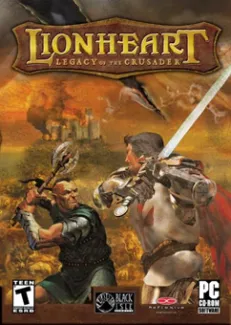
Lionheart: Legacy of the Crusader

Lionheart: Legacy of the Crusader is an action role-playing game, developed for the PC by Reflexive Entertainment, and released on August 13, 2003. The game is viewed from a 3/4 isometric camera angle (as is common in many third-person role-playing games, such as the Diablo series). It focuses on a protagonist, controlled by the player, as he travels on a quest that constitutes the central focus of the game. The plot stipulates a rift in reality that drastically altered medieval history by allowing demons and other similar beings to enter the mortal realm.
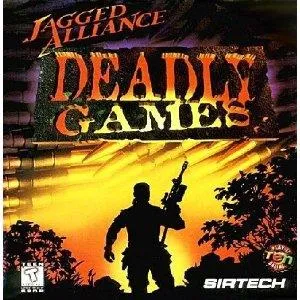
Jagged Alliance: Deadly Games

Deadly Games is a DOS sequel to the original game. It features a different format, however, and is considered by some to be more of a spin-off than a sequel. This game features the same engine and top-down perspective as the original game.

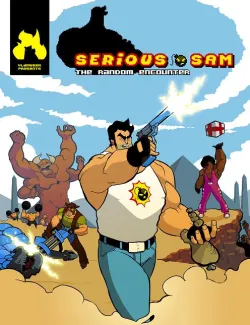
Serious Sam: The Random Encounter

Serious Sam: The Random Encounter is Vlambeer's take on the traditional JRPG . Admittedly, we don't have a clue about JRPGs. Seems like we ended up with a game about running backwards and shooting hundreds of enemies in the face with heavy weaponry. Explosions.

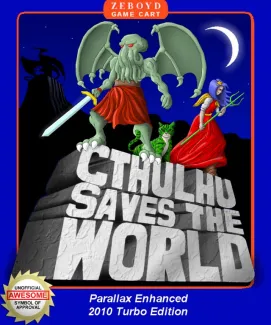
Cthulhu Saves The World

Co-created with William Stiernberg, Cthulhu Saves the World was released on December 30, 2010. Cthulhu, the squid-faced, winged god created by H. P. Lovecraft emerges from the sea after centuries of slumber only to find his dark powers immediately sealed away by a mysterious holy wizard. A narrator then informs the player that the only way to break the curse is to become a true hero. Quickly breaking the fourth wall, Cthulhu informs the narrator that he was eavesdropping and now knows how to break the curse.

Breath of Death VII

Co-created with William Stiernberg, Breath of Death VII: The Beginning was released on April 22, 2010.

Q.U.B.E.

Q.U.B.E. (Quick Understanding of Block Extrusion) is a physics-based puzzle video game developed by Toxic Games, and published to the Microsoft Windows platform with help from the Indie Fund, a group of successful independent game developers. The game, an expansion of a student project by the founding members of Toxic Games, was released in December 2011 and January 2012 through a number of digital distribution platforms.

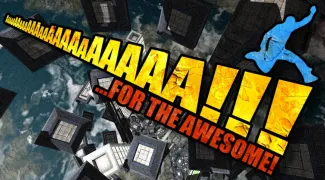
AaaaaAAaaaAAAaaAAAAaAAAAA!!! for the Awesome

High in Earth’s stratosphere, you’ll thread a path through the rotating blades of enormous wind turbines. Elsewhere in the solar system, you’ll dodge asteroids above seas of lava, spray graffiti onto lunar government offices, and flip off Ganymede colonists, all in the name of peaceful protest.

Jump off of buildings
Create your own stunts
Impress the crowd by kissing skyscrapers
Flip people off for points

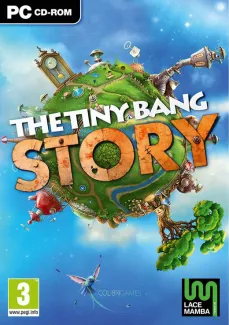
The Tiny Bang Story

The Tiny Bang Story is set in a fictitious world that is hit by an asteroid, leaving you to literally pick up the pieces and put it back together. Over several chapters, you need to rebuild machines and solve puzzles to find all the pieces you need to rebuild the world.

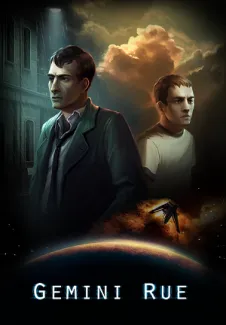
Gemini Rue

Azriel Odin, ex-assassin, arrives on the rain-drenched planet of Barracus. When things go horribly wrong, he can only seek help from the very criminals he used to work for. Meanwhile, across the galaxy, a man called Delta-Six wakes up in a hospital with no memory. Without knowing where to turn or who to trust, he vows to escape before he loses his identity completely. As fate brings these two closer together, we discover a world where life is cheap, identities are bought and sold, and a quest for redemption can change the fate of a whole galaxy.

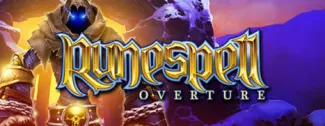
Runespell: Overture

Runespell: Overture is a card-playing game with impressive graphics and fantastic music. The card game is called Mythic Poker, and using the same card layout as Solitaire and the same hands as poker. Different poker hands are worth different values. Once a hand has been assembled, the player can use it to attack the opponent, with the poker score coming off the opponent as damage.