Sci-Fi

Sci-Fi themed games are games that are characteristic of science fiction literature; the narrative is dependent on the impact of scientific discoveries that do not yet exist in reality. Some games, such as those in the Half-Life series and Unreal series take place in a sci-fi universe that was created specifically for the purpose of the games. Others may take place in existing sci-fi universes, such as licensed Star Wars games. Common elements of sci-fi themed games include futuristic settings, high-tech items and weapons, and alien characters.

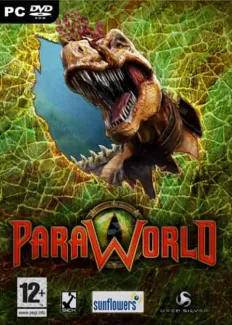
ParaWorld

ParaWorld is an RTS from Spieleentwicklungskombinat GmbH (I kid you not) and Aspyr Media. The game takes place in an alternate universe, where the laws of nature and science differ, and humans and dinosaurs coexist. Gameplay-wise, ParaWorld's most visible innovation is the Army Controller, which allows for multi-tiered visual organization of your available forces.
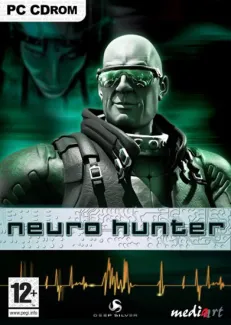
Neuro Hunter

Neuro Hunter is an action RPG from Deep Silver and Media Art. You play as a computer hacker with cybernetic powers, and must survive in an underground world controlled by a mysterious entity known as "Hacker."

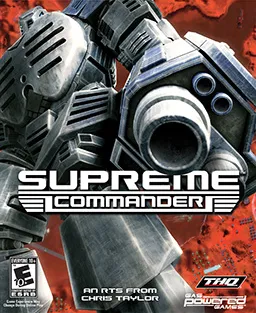
Supreme Commander

Set in the far flung future (the 37th century to be precise), THQ is billing Supreme Commander as the 'next evolution in RTS'. Supreme Commander has widely been referred to as the spiritual successor to Total Annihilation.
The game is focused on using a giant bipedal mech called an Armored Command Unit (or ACU) to build a base, then upgrading units to reach higher technology tiers, and conquering opponents. The player can command one of three nations: the Aeon Illuminate, the Cybran Nation, or the United Earth Federation.

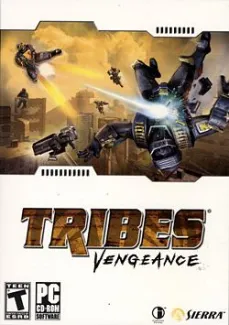
Tribes: Vengeance

Tribes: Vengeance is the third game in the Tribes series, and the first to have a significant singleplayer mode. It is a sci-fi shooter with diverse character classes, expansive landscapes which can be traveled by foot, jetpack, or vehicle, and bases and base facilities to defend and/or infiltrate. The plot takes place hundreds of years before the previous Tribes games, and shows the events that take place prior to them through the eyes of six different characters over two generations.

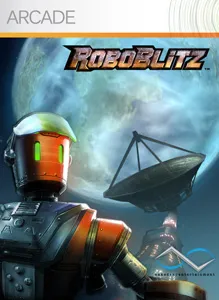
RoboBlitz

RoboBlitz is an indie, third person, puzzle-action game for Microsoft Windows and the Xbox 360. The player controls Blitz, a robot who attains special upgrade weapons and powers to fight his foes, based upon how much "Upgradium" he can find in the game. Special powers include unique weapon, energy and movement upgrades.

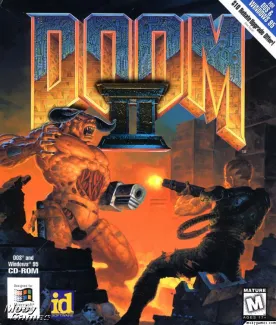
Doom II

Doom II is the second game in the series, and it uses the same engine as the original. It introduced new monsters, a new weapon, and 32 new levels. It is also playable in GZDoom, and most of the information of Doom applies here too.

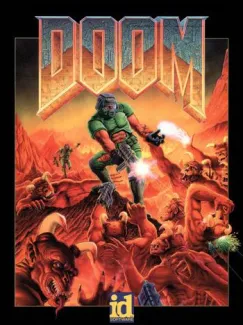
Doom

DOOM needs no introduction. It is the grandfather of the FPS genre as we know it. The GZDoom engine is a port of the originally DOS-based game that allows for high-res OpenGL graphics, mouselook, some widescreen support, among other things. GZDoom - http://grafzahl.drdteam.org/

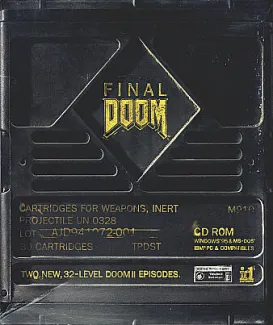
Final Doom

Final Doom is a spinoff of Doom 2. It has the same weapons and monsters as Doom 2, but it has 64 fiendishly difficult levels. It is playable in GZDoom, and has the same flaw that Doom 2 does (not pictured)

Wolfenstein: Enemy Territory

Wolfenstein: Enemy territory is an online FPS from Splash Damage. Originally created as an expansion pack for Return to Castle Wolfenstein, the project was abandoned in an incomplete state, but the multiplayer component was quite playable, so it was released as a freely downloadable standalone multiplayer game. Gameplay is objective-based and heavily reliant on teamplay.

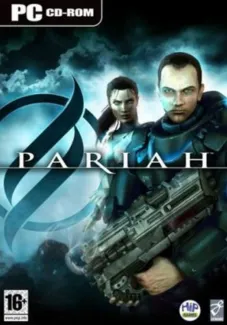
Pariah

Pariah is a first-person shooter computer game developed by Digital Extremes, co-developers of the Unreal franchise. It was released on May 3, 2005 for Windows and Xbox. It uses a modified version of the Unreal engine and the Havok physics engine. A demo featuring the multiplayer portion of the game was released half a month before the game. Pariah received mixed reviews from critics.