

A "remote cousin" of the Heroes of Might & Magic series, King's Bounty : The Legend combines turn-based battles and real-time exploration in a lenghty singleplayer campaign.
Support Summary
Widescreen | Ultra/Super‑Wide | Multi-Monitor | 4K Ultra HD | |
Support | ||||
Method | ||||
HUD | ||||
Cutscenes | ||||
FMVs |
Game Information
Screenshots Comparison
Solutions & Issues
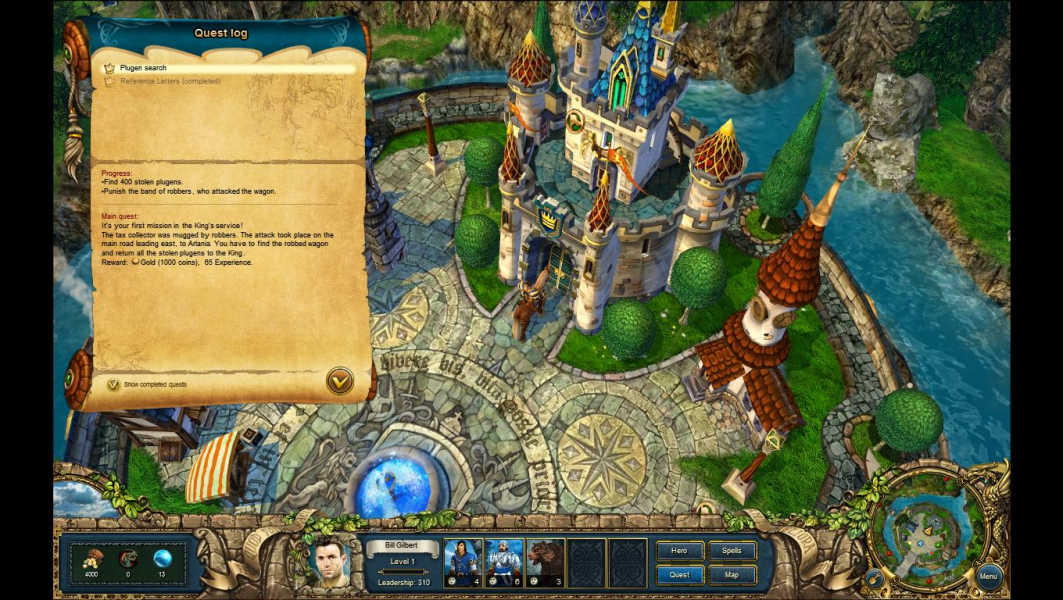
Hor+ up to 16:10, pillarboxed based on 16:10 for wider aspect ratios.
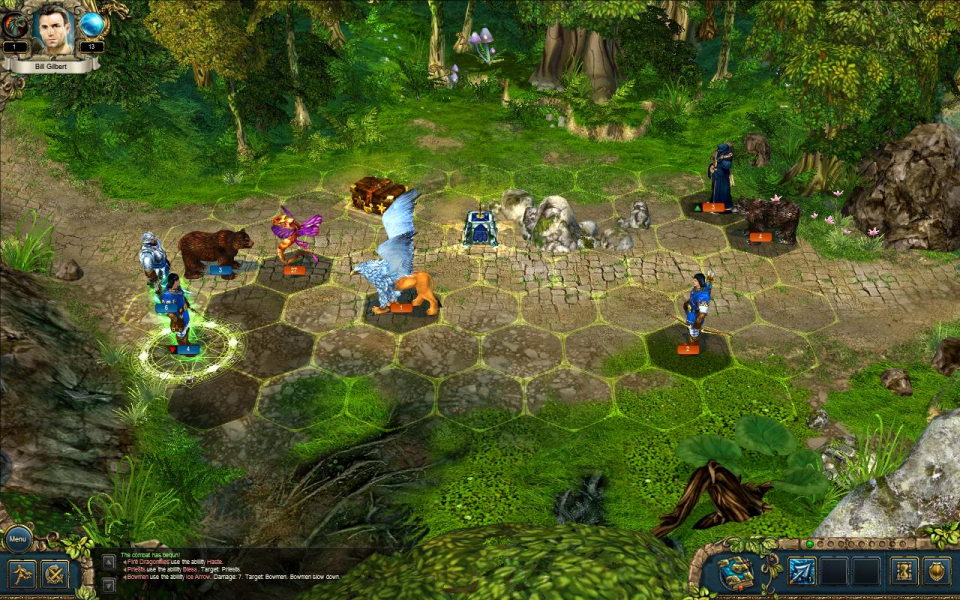
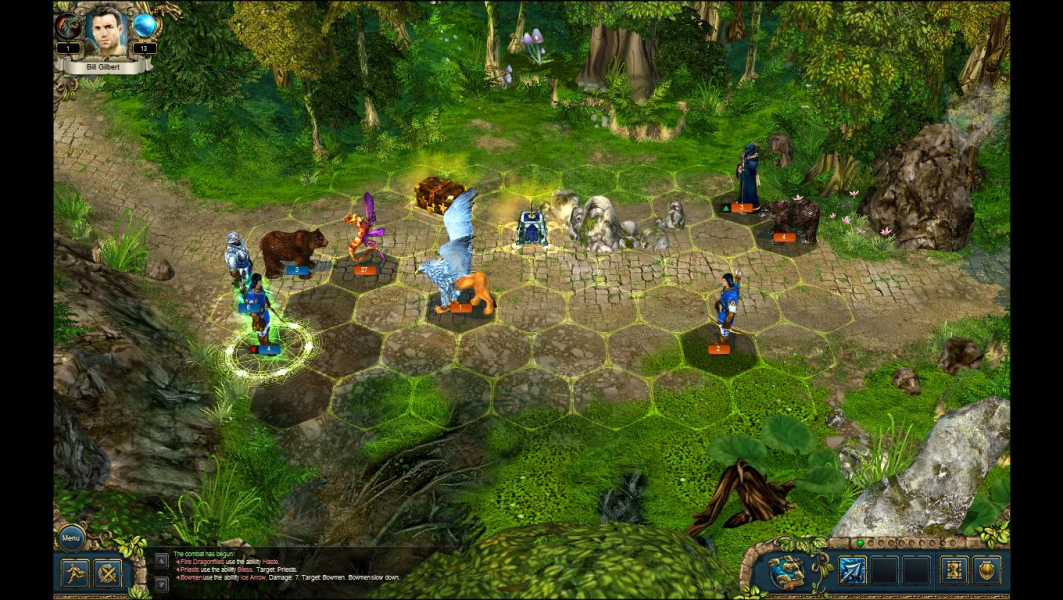
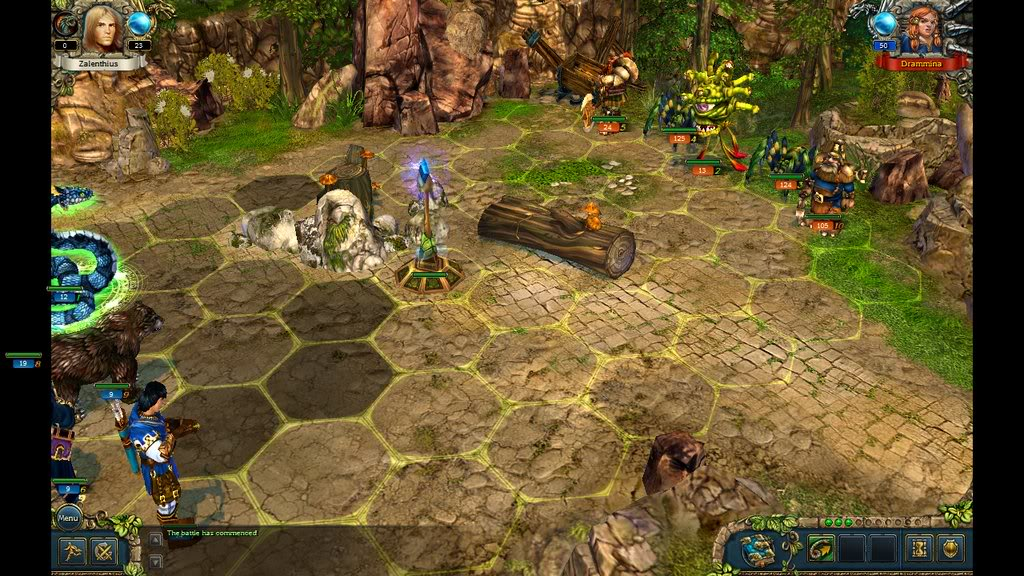
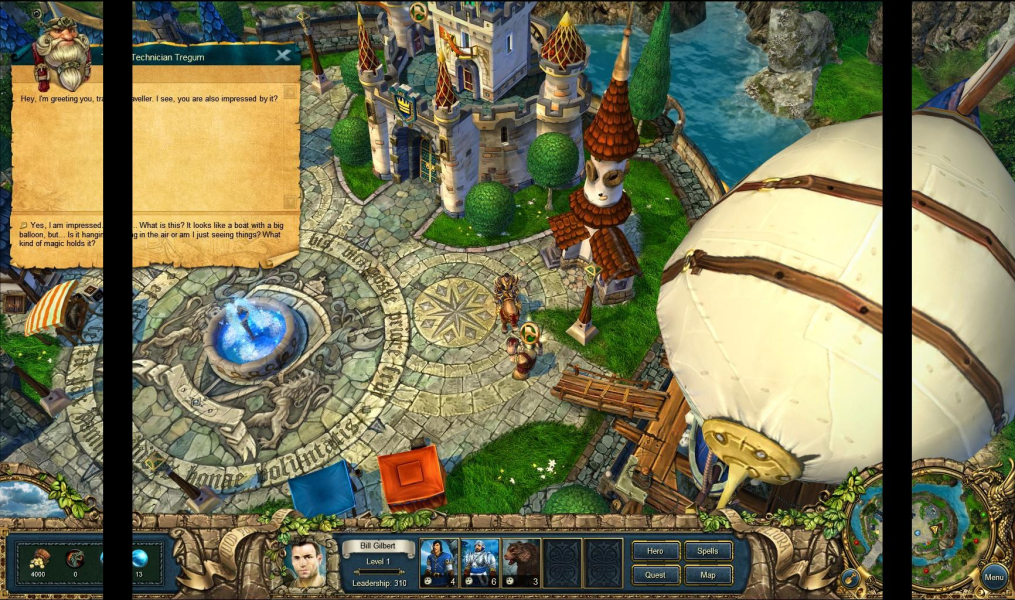
In 16:9 and wider ARs, the pillarboxing may not hide all 2D elements, in both combat and free-roaming.
So things such as the dialog icon or health bar of a unit that's hidden by the pillarboxing may be visible.
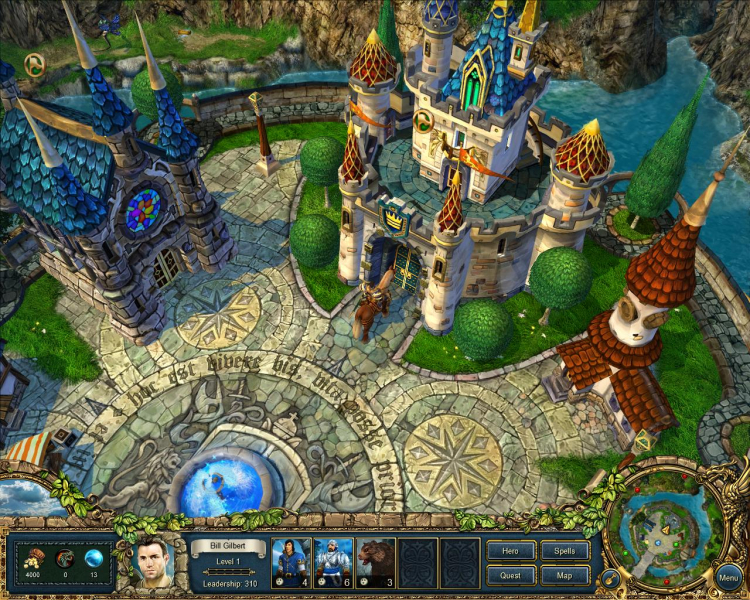
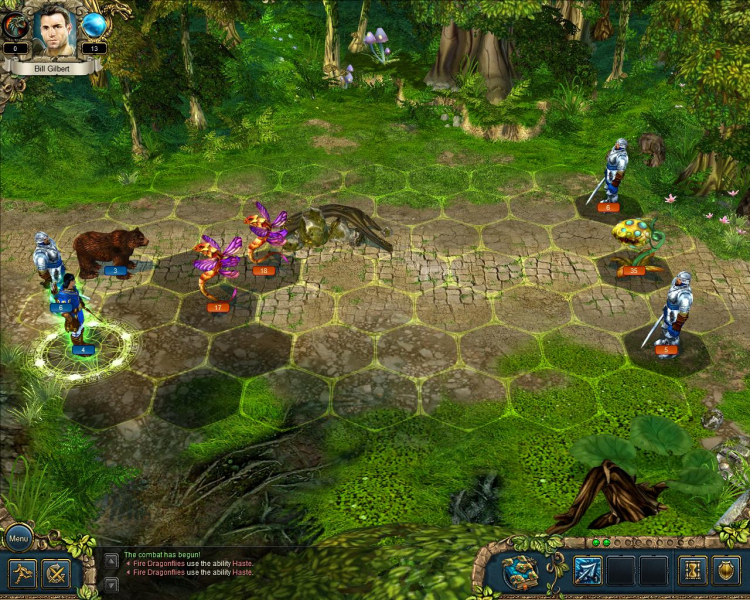
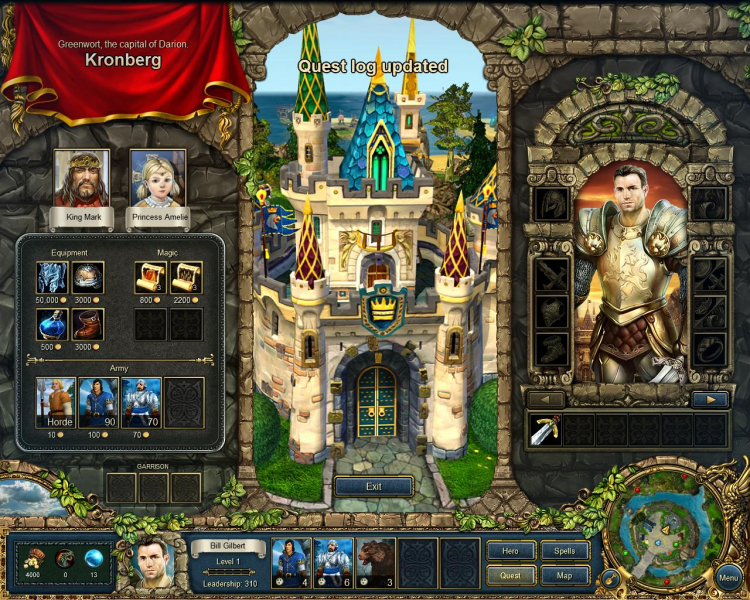
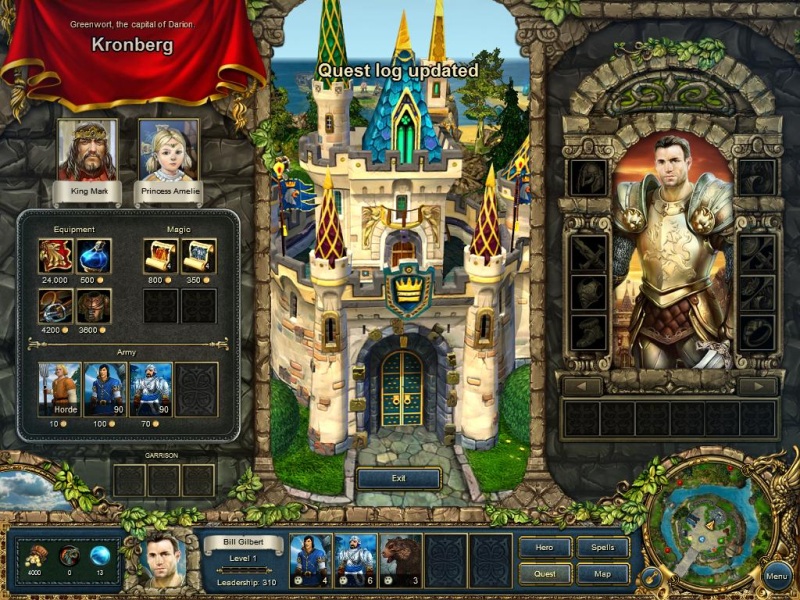
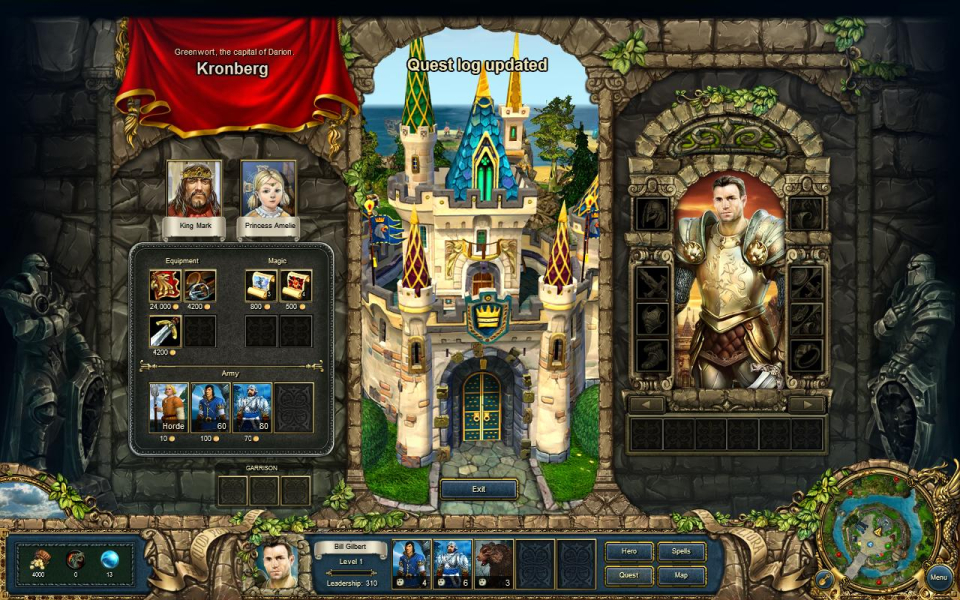
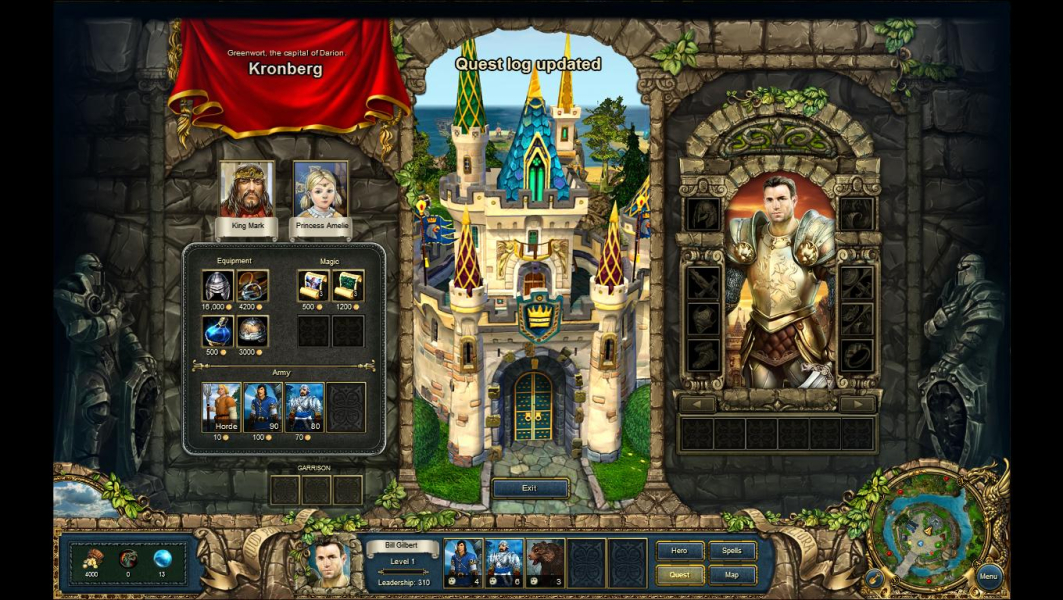
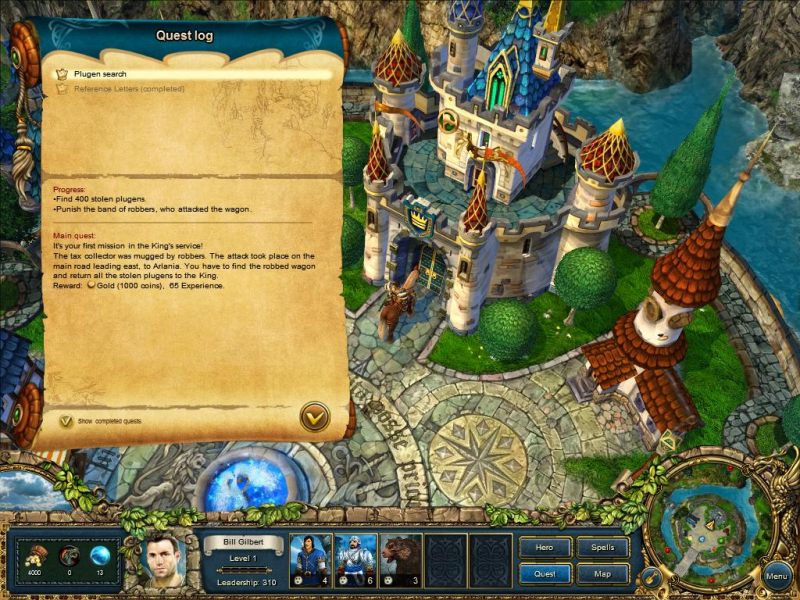
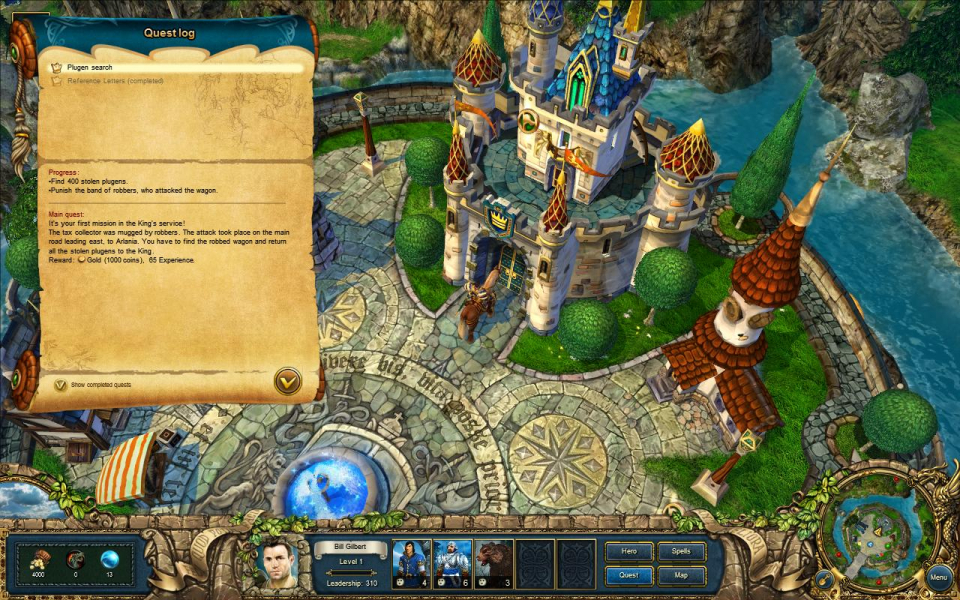
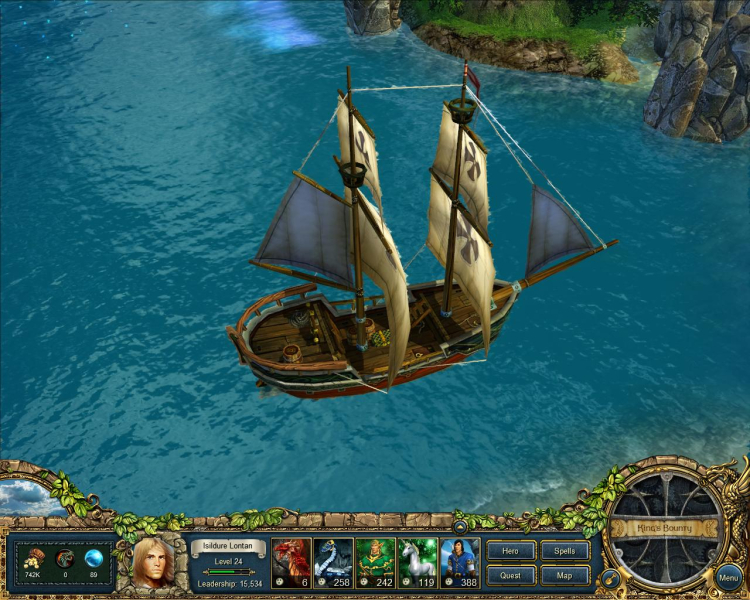
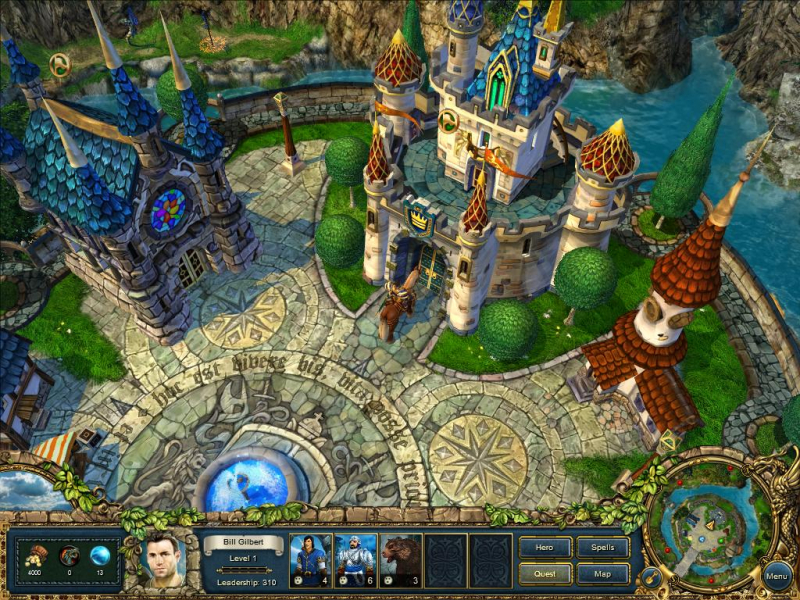
No HUD/UI stretch. Despite the ubiquitous 2D, the devs managed to design a game that looks "natural" in most formats, widescreen or not. There are two models of the main hero/army bar specific to "narrow-" and widescreen. Other HUD elements scale properly (as seen on "battle screen" shots).
In non-widescreen, the baseline for fullscreen 2D is 5:4, i.e 4:3 is Vert- (although 4:3 to 5:4 is Hor+ in 3D). Widescreen reveals the whole 16:10 canvas of the background image.
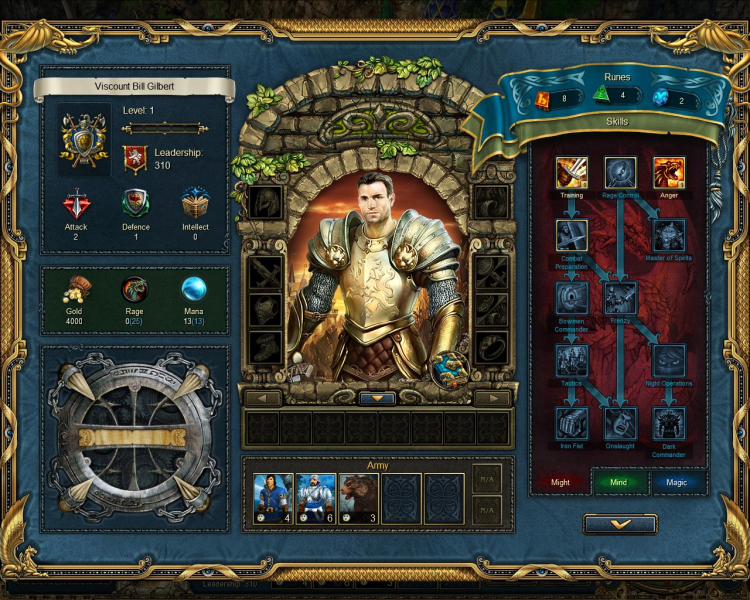
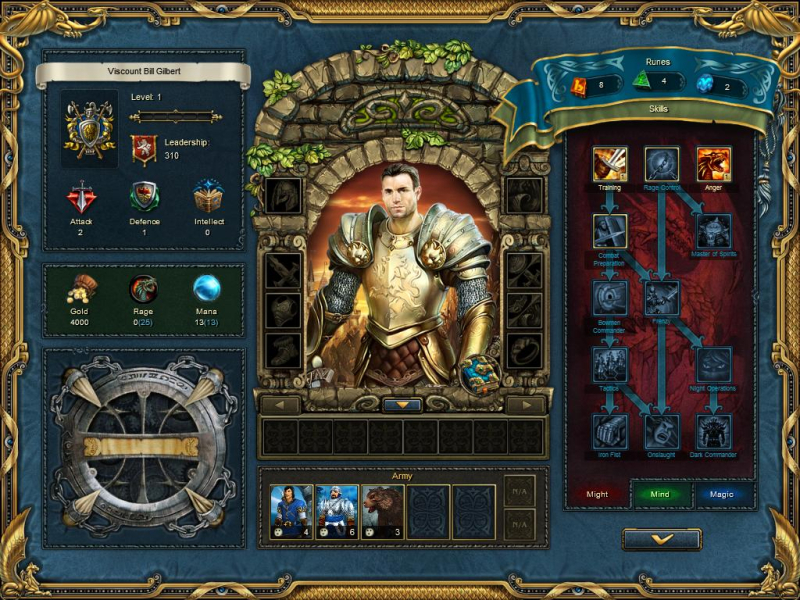
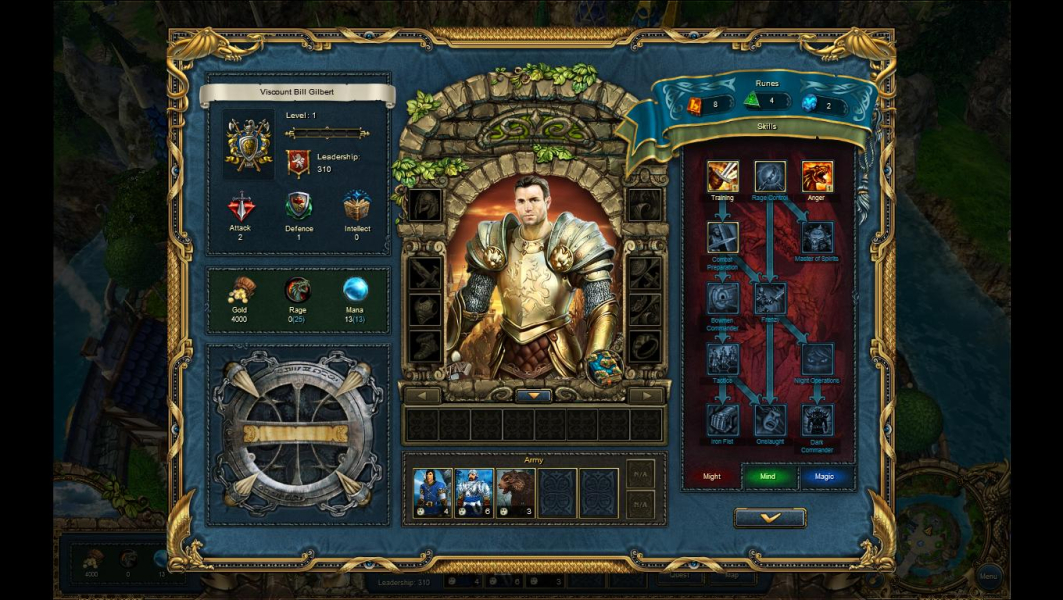
The character sheet, spell book, quest log, fullscreen map and dialog interface all scale properly over the Hor+ background.
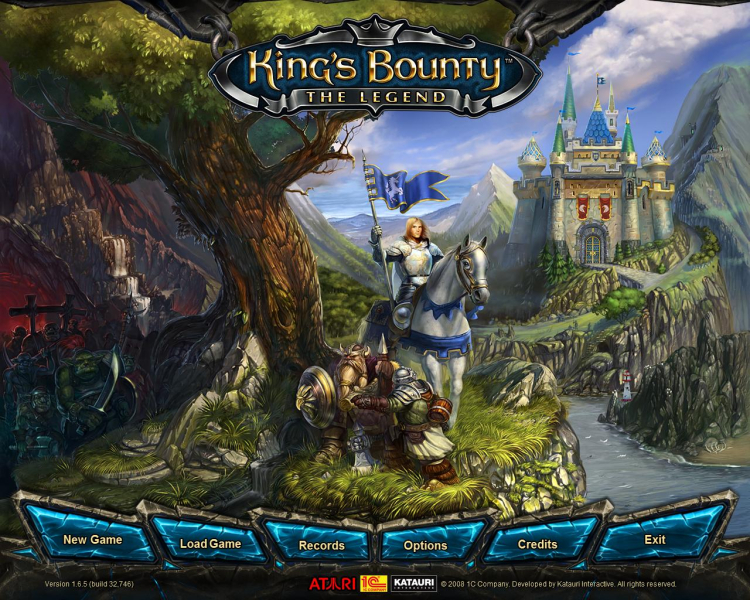
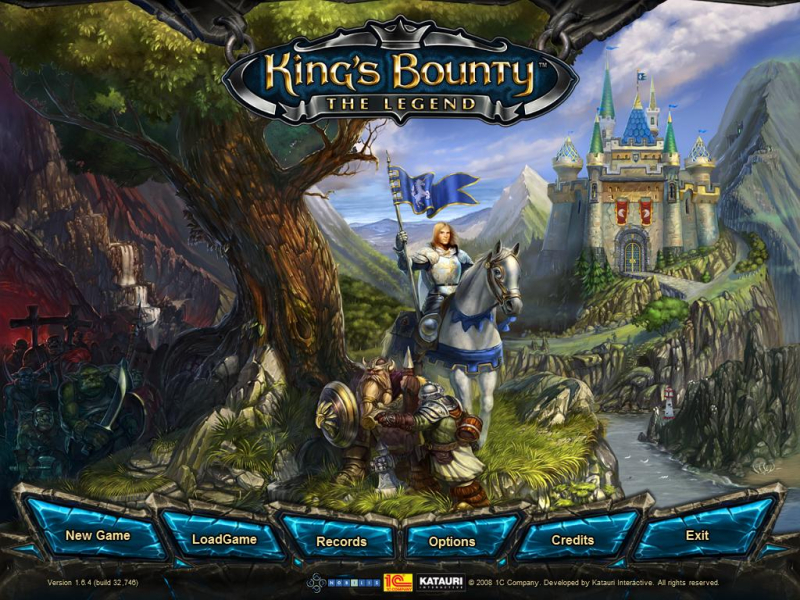
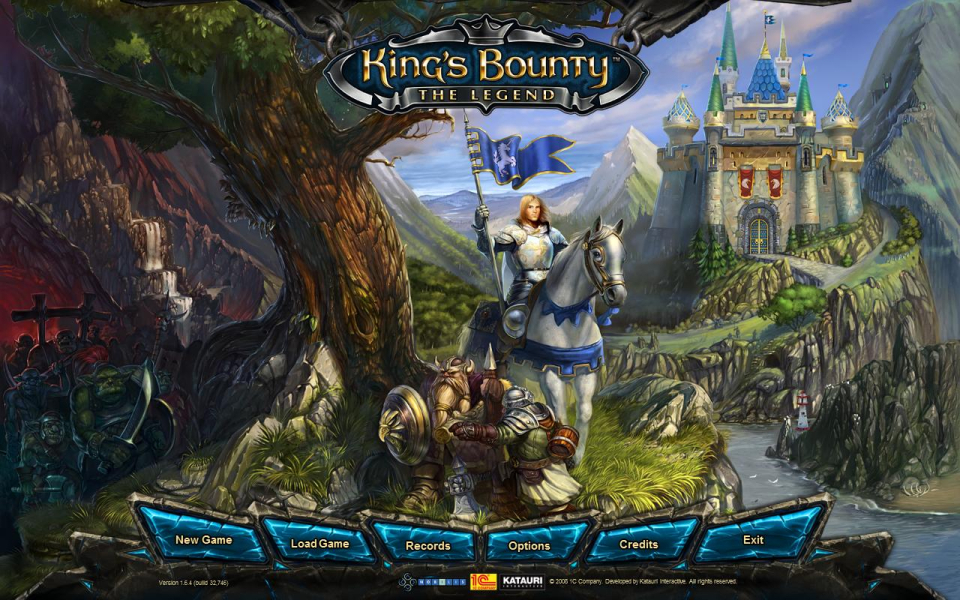
The main menu's interface is Hor+, while the background image (a 5:4 picture) is Vert- in widescreen resolutions (and pillarboxed beyond 16:10).
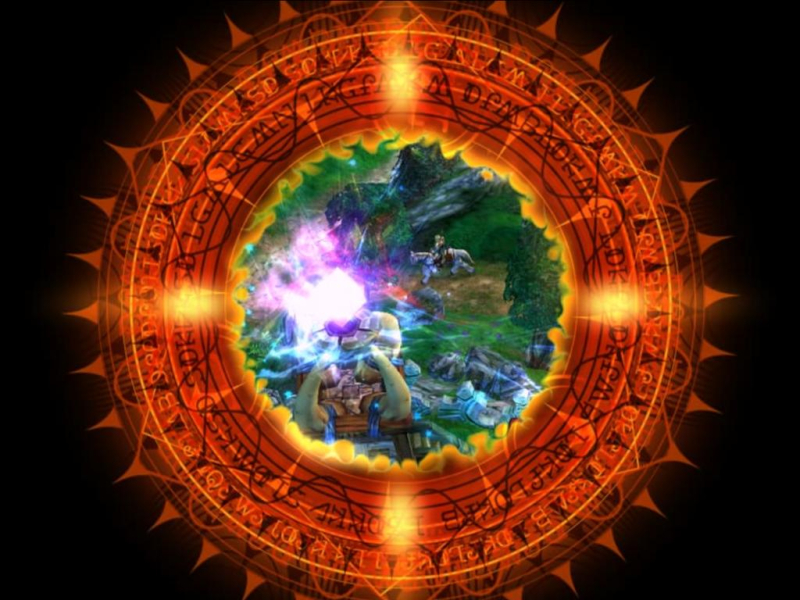
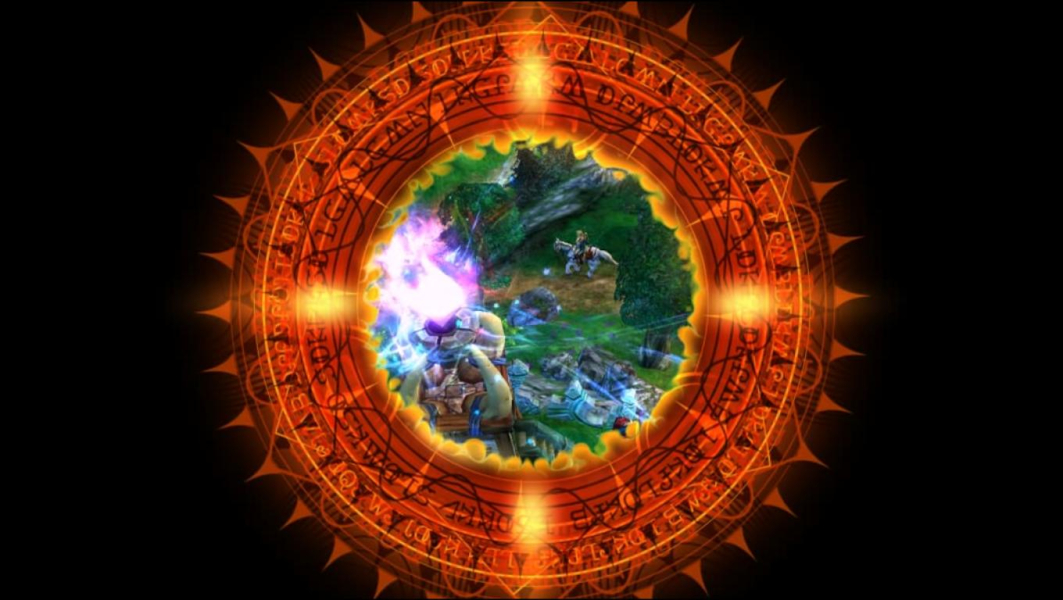
The intro/trailer is a 4:3 (800x600) video that gets pillarboxed in widescreen.
The intro/trailer is a 4:3 (800x600) video that gets pillarboxed in widescreen.
The introductory story screens are Hor+ (4:3 is Vert- to 5:4, 16:9 is pillarboxed 16:10).
Actual cut scenes are rendered in real-time 3D using the game's engine and are Hor+ (pillarboxed in 16:9).
Native, supports 5040x1050@57Hz; pillarboxing makes it pretty useless though.
Users with 5:4 (or 4:3) monitors will be able to play in 16:10, but it's not really worthwhile because of the bezels. Here's a mockup of actual TripleHead gameplay on 5:4 screens (with very thin 50-pixel gaps). Bezel management would hide a big chunk of the minimap and part of the dialog interface - which always opens in the game screen's upper left corner.
Gameplay Screenshots
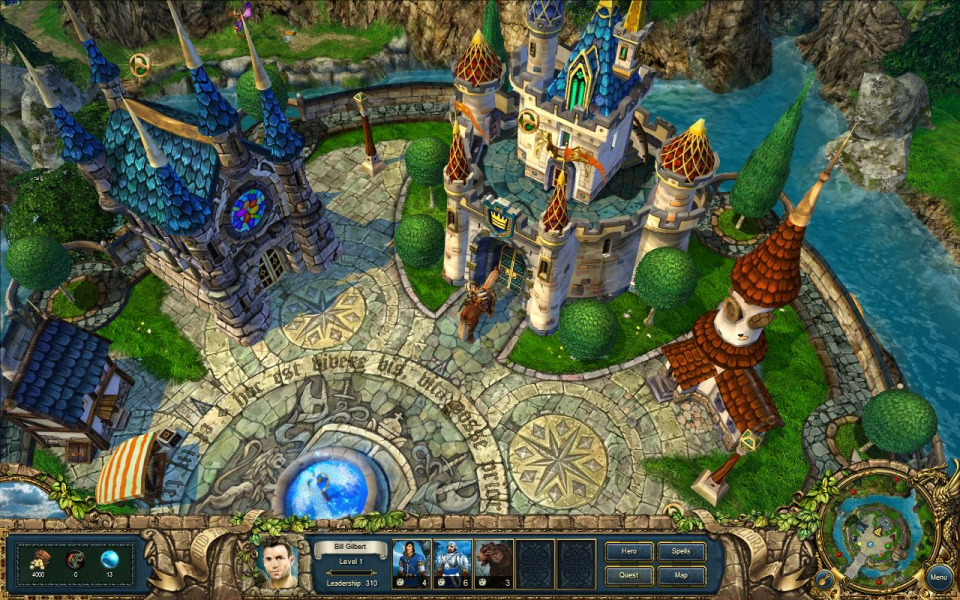



In-Game (Rendered) Cutscenes
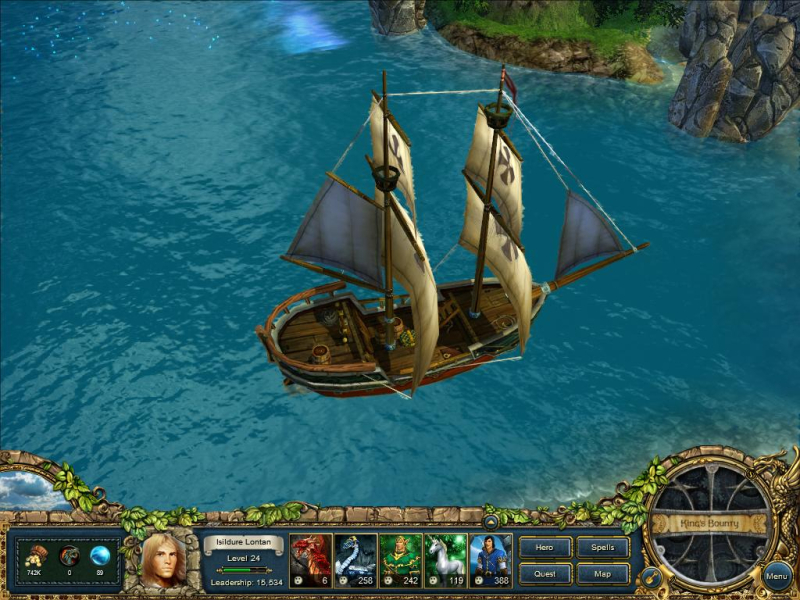
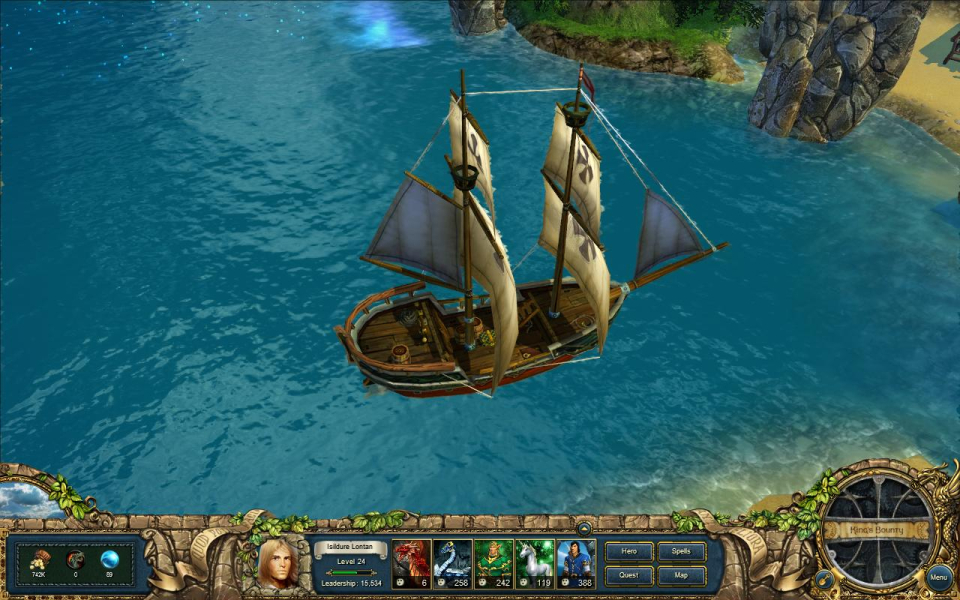
FMV Cutscenes

Menu Screenshots
Additional Screenshots